CASCA
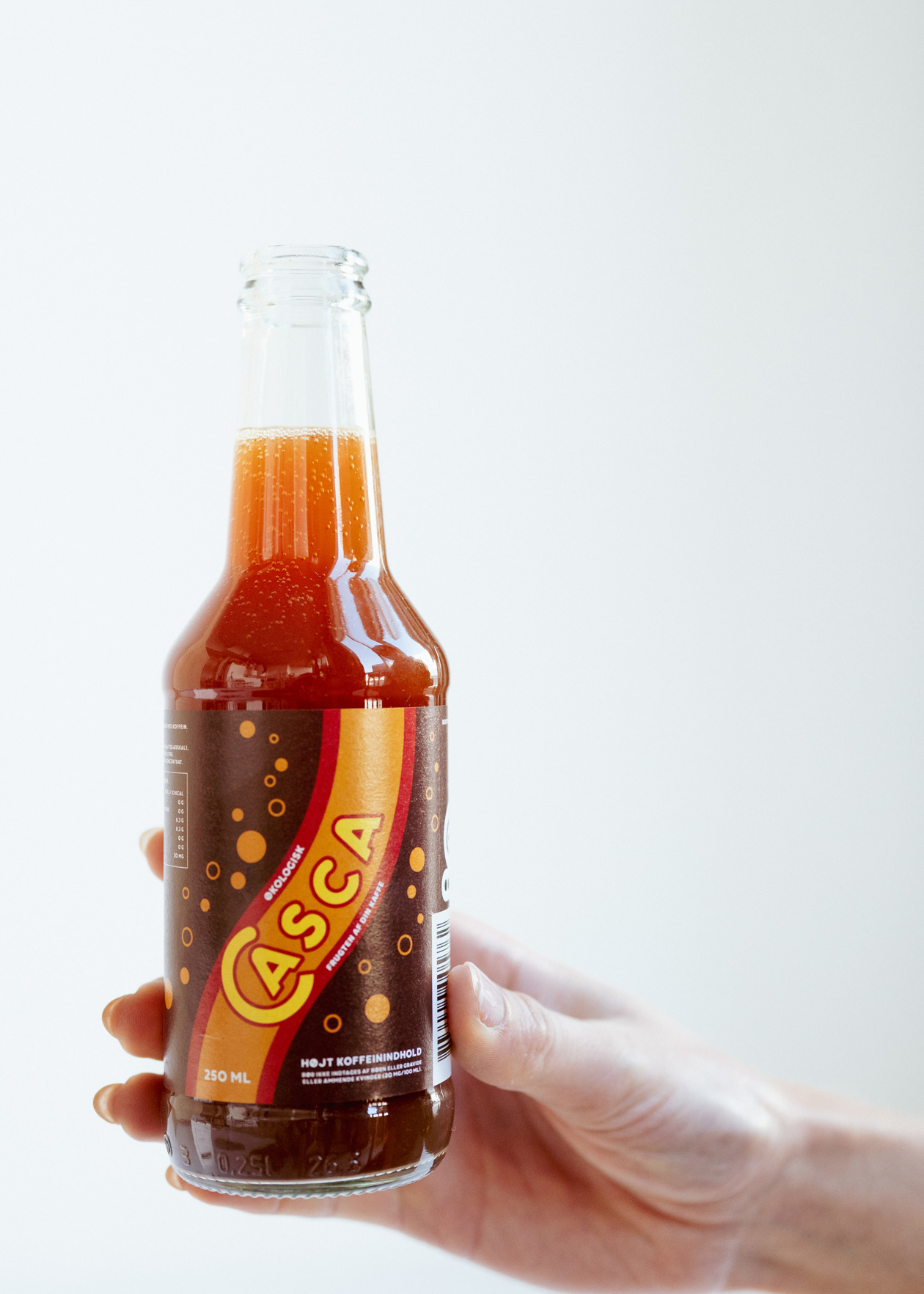
Casca is a Danish startup that specializes in producing an organic and innovative soft drink brewed from cascara, the skin and pulp of the coffee cherry. By utilizing a resource that is traditionally considered a waste product in coffee production, Casca creates a beverage with deep flavor and natural caffeine content, combining fair trading practices and circular economy.
"We feel we’ve gotten something right. Casca brings together taste, quality, naturalness, and sustainability in a story about transforming waste into renewed energy."
Morten Riiskjær, Co-founder and Initiator of Casca
Ingredients and Product Benefits
Casca prioritizes clean, organic ingredients and transparency throughout its production chain:
• Cascara: The skin and pulp of the coffee cherry form the base ingredient of Casca. It is rich in antioxidants, vitamin E, biotin, protein, and fiber.
• Natural energy: The drink contains naturally occurring caffeine from the coffee cherry, making it a conscious alternative to both soda and energy drinks.
• Simplicity: In addition to cascara, the beverage contains only organic sugar, lemon juice, and carbonation – completely free from synthetic additives.
• Flavor profile: Casca offers a balanced bitterness and aromatic depth that appeals to a mature audience.
Involved Partners
Casca’s business model is built on close collaboration across the value chain:
• Raw material producers: The cascara is organically grown by the Alto San Ignacio cooperative in Peru, ensuring that the value of this byproduct goes directly to coffee farmers.
• Import and sourcing: Import is handled in close collaboration with MØRK Coffee to ensure traceability and quality.
• Brewing: The beverage is brewed by Ørbæk / Naturfrisk Brewery, which has many years of experience in organic production and the use of byproducts.
• The team: The company is driven by a multidisciplinary team consisting of Morten Riiskjær (coffee expertise and concept), Mimi Larsson Drewsen (partnerships and business development), and Hans Christian Nielsen (investor).
Opportunities and Challenges
Opportunities:
• Value creation for farmers: Selling cascara can significantly increase coffee farmers’ income, as it makes a larger portion of the coffee harvest marketable.
• Market potential: There is growing demand for functional beverages with authentic and an eco-conscious focus.
• Health trend: Cascara’s high antioxidant content makes it attractive as a “superfood” ingredient in beverages—an opportunity currently being explored by Casca ApS.
Challenges:
• Logistics and shelf life: Cascara is highly perishable and must be dried quickly after harvest to avoid quality loss.
• Regulation: As a relatively new ingredient in the EU (Novel Food), cascara requires strict compliance with food regulations.
• Consumer awareness: Since many consumers still associate coffee exclusively with beans, communication is needed to explain the value of the fruit pulp.
Solution
Casca has developed a process in which dried cascara is brewed like tea, then combined with sugar, lemon, and carbonation. This method preserves the berry’s natural nutrients and caffeine while transforming an otherwise overlooked byproduct into a premium beverage. By importing organically certified cascara directly from Peru, Casca supports a circular model where “waste” from traditional coffee production becomes a resource for a new soft drink category.
Results and Climate & Environmental Impact
Results:
• Product development: Casca has successfully launched a ready-to-drink beverage that combines fair trade and great taste.
• Social impact: Through collaboration with Alto San Ignacio in Peru, the company financially supports farmers in some of the world’s poorest regions.
Environmental impact:
• Reduction of methane emissions: When cascara is discarded as waste, it can produce methane gas during decomposition. Upcycling it into beverages prevents this process.
• Resource utilization: Traditionally, only about 20–50% of the coffee cherry (the bean) is used. By using cascara, a significant additional portion of the biomass is utilized.
• Water and soil protection: Proper collection and drying of the fruit pulp prevent it from seeping into local waterways and polluting freshwater ecosystems in producing countries.
Conclusion
Casca demonstrates how side streams from the food industry can be transformed from an environmental burden into a valuable asset. By combining circular thinking with organic practices and fair trade, the company not only creates a flavorful soft drink but also actively contributes to reducing waste and improving the livelihoods of coffee producers. This case is a strong example of how upcycling can generate both economic and environmental value in a global value chain.